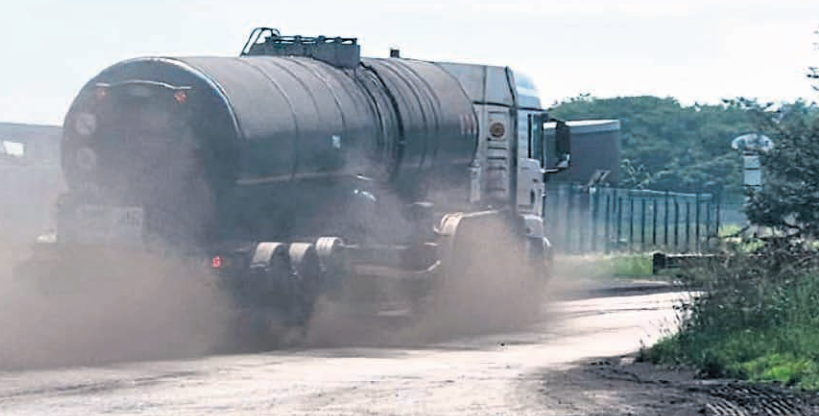
FACING escalating anger from Richards Bay residents, Transnet National Ports Authority (TNPA) finally succumbed on Tuesday, banning coal-laden trucks from entering or exiting the Port of Richards Bay’s east gate via Medway Road.
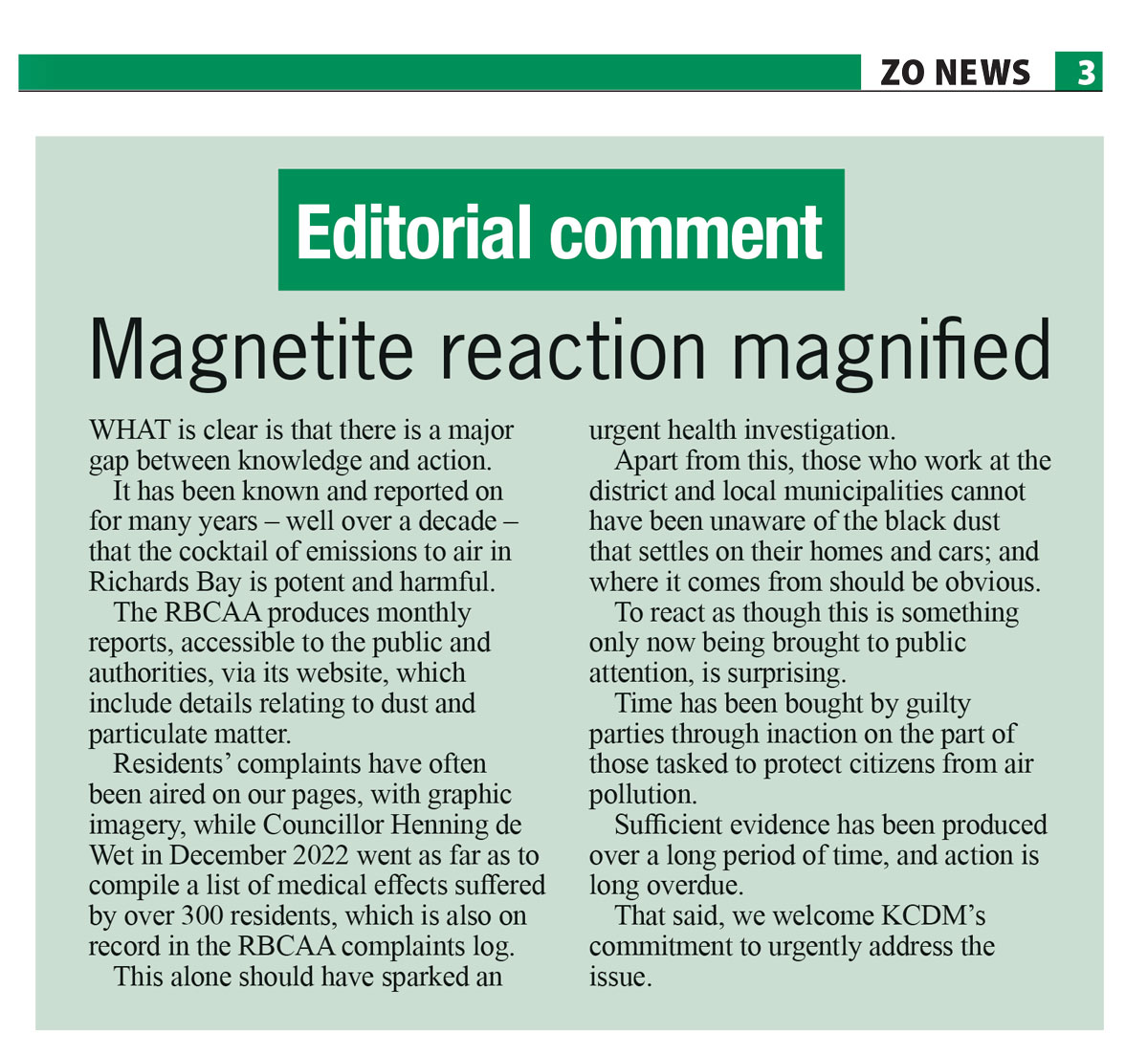
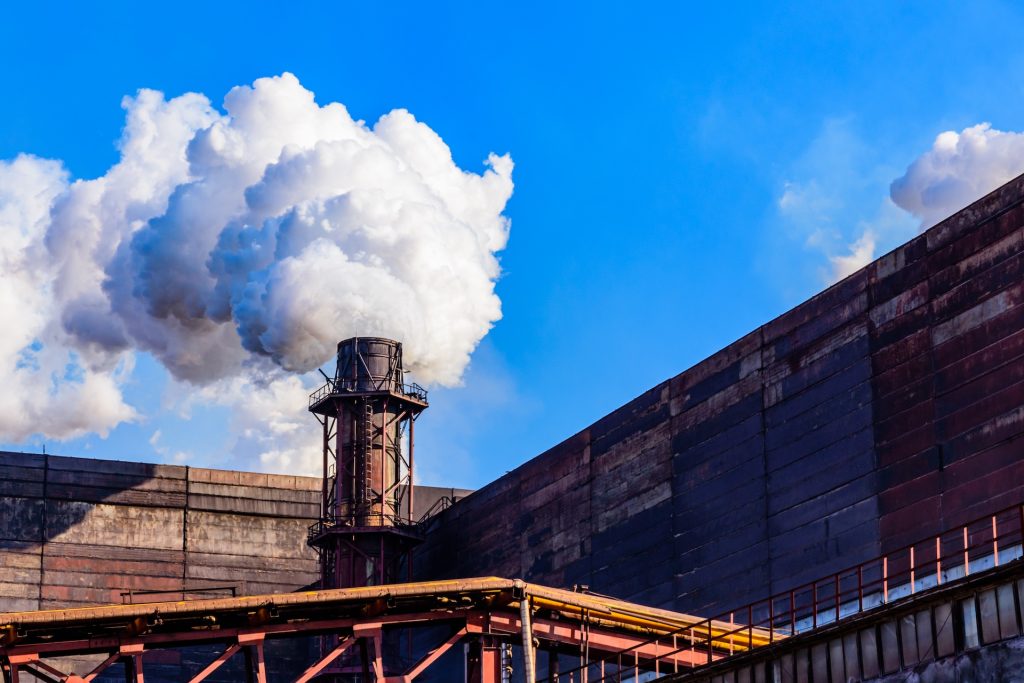
WHAT is clear is that there is a major gap between knowledge and action. It has been known and reported on for many years – well over a decade – that the cocktail of emissions to air in Richards Bay is potent and harmful.
The RBCAA produces monthly reports, accessible to the public and authorities, via its website, which include details relating to dust and particulate matter.
Residents’ complaints have often been aired on our pages, with graphic imagery, while Councillor Henning de Wet in December 2022 went as far as to compile a list of medical effects suffered by over 300 residents, which is also on record in the RBCAA complaints log.
This alone should have sparked an urgent health investigation.
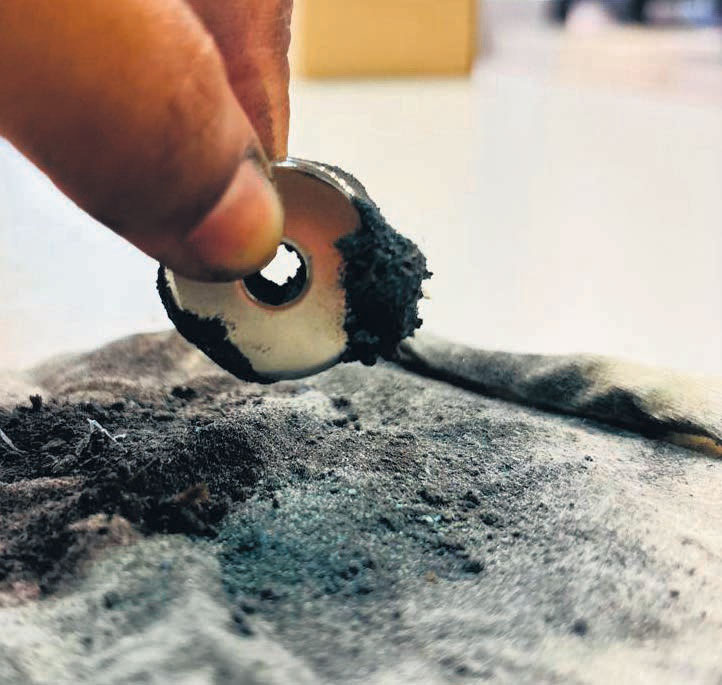
Apart from this, those who work at the district and local municipalities cannot have been unaware of the black dust that settles on their homes and cars; and where it comes from should be obvious.
To react as though this is something only now being brought to public attention, is surprising.
Time has been bought by guilty parties through inaction on the part of those tasked to protect citizens from air pollution.
Sufficient evidence has been produced over a long period of time, and action is long overdue.
That said, we welcome KCDM’s commitment to urgently address the issue.
Source: Zululand Observer