We might be inhaling something far worse than coal dust
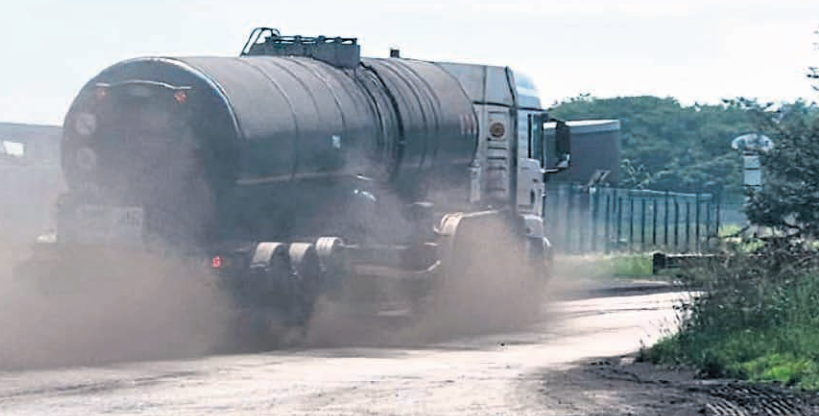
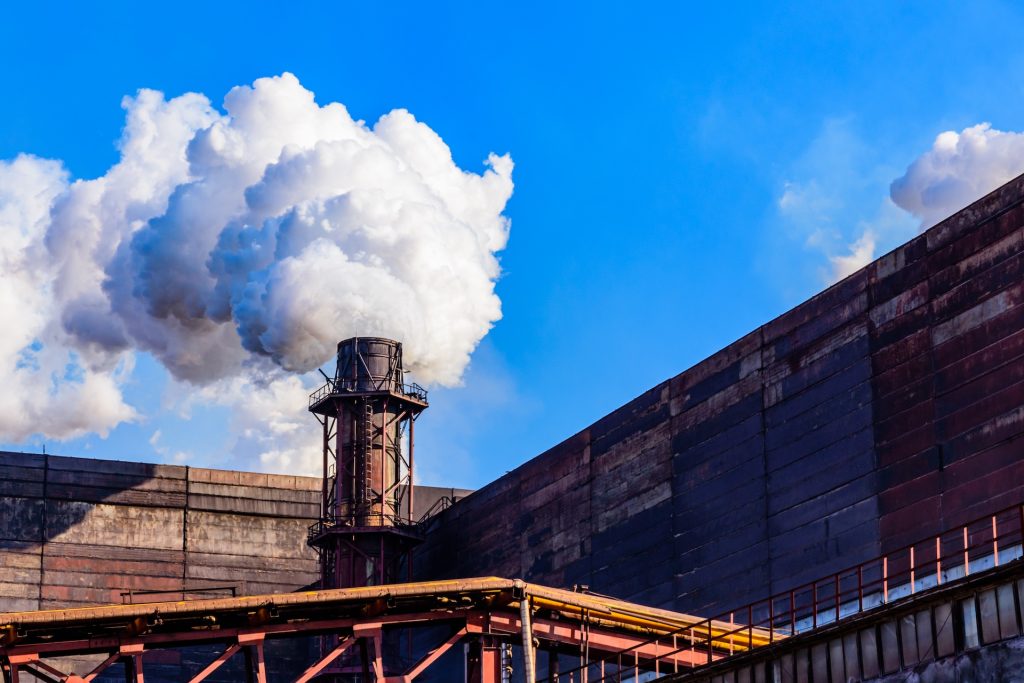
WHILE coal dust continues to infuriate Richards Bay residents as it blackens the city and prompts respiratory tract health fears, magnetite – a contaminant potentially linked to Alzheimer’s disease – might be of far more serious concern.
The matter was brought to the ZO’s attention on Tuesday by a company located on the border of the port, where around 5 million tonnes of magnetite are handled each year. “What we initially thought were isolated mechanical and electrical issues turned out to be a much larger, and quite shocking, problem,” said a company spokesperson.
“Upon draining the cooling tower of our compressor, we retrieved water heavily contaminated with what appeared to be coal dust.
“Following that discovery, we investigated another machine that had been experiencing persistent failures. “When the unit was opened, the electronic boards were completely covered in a fine black dust. “This build-up caused a short circuit that blew the boards, resulting in around R80 000 in damage.”
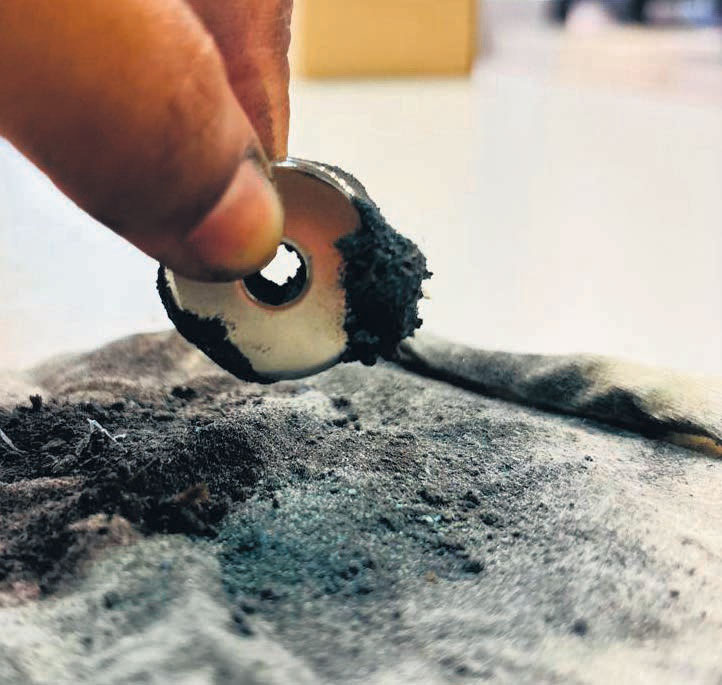
Examination and videoing of the residue showed it to be both extremely magnetic and conductive – hence the short circuiting of the machine.
“Beyond the financial implications, our primary concern is the health and safety of our employees. If this dust with magnetic properties is fine enough to penetrate sealed electronic components, is it not being inhaled by our employees?” That fear is a real one, given the mass of research published online, pointing to the suspected link between magnetite and neurodegenerative diseases.
University of Technology Sydney published an article in March 2024 suggesting magnetite can induce signs and symptoms of Alzheimer’s disease. “Magnetite, a magnetic iron oxide compound, has also been found in greater amounts in the brains of people with Alzheimer’s disease. “The study has implications for air pollution guidelines.
Magnetite particles should be included in the recommended safety threshold for air quality index,” stated the article. The magnetite particles, smaller than 2 microns in diameter, cause cellular damage and have also been potentially linked in other medical and scientific studies to Alzheimer’s disease and dementia.
The company said it was in the process of analysing the magnetic residue to determine its exact content.
Previously, residents shared videos and photos of magnetite being removed from swimming pools using magnets. Responding to the matter, Richards Bay Clean Air Association communications officer Sandy Camminga said, “The RBCAA has been alerted, and a formal complaint is in the process of being communicated to the RBCAA. “Not only should immediate action be taken against emitters to enforce compliance, but the health risks associated with the cocktail of pollutants in Richards Bay warrant urgent attention being given to an independent health study.”
Scan the QR code to watch the sediment responding to a magnet.
Source: Zululand Observer