Under Fire
Richards Bay flights grounded as city’s emergency services fall short
The Richards Bay Clean Air Association (RBCAA) monitors and reports on air quality within the uMhlathuze Municipal area, promoting cleaner air and a healthier community through collaboration between industry, authorities, and the public.
Established in 1997, the Richards Bay Clean Air Association (RBCAA) is a non-profit advisory organisation formed in response to growing public concern about air pollution in the Richards Bay region.
Operating as a Section 21 company, the RBCAA works closely with industry members, regulatory authorities, and the local community to monitor, interpret, and improve air quality across the City of uMhlathuze.
We provide independent, high-quality air monitoring data and expert analysis to help identify pollution sources, guide environmental strategies, and support compliance with national standards.
To deliver accurate, transparent, and accessible air quality information — enabling informed decision making regarding public health and the environment.
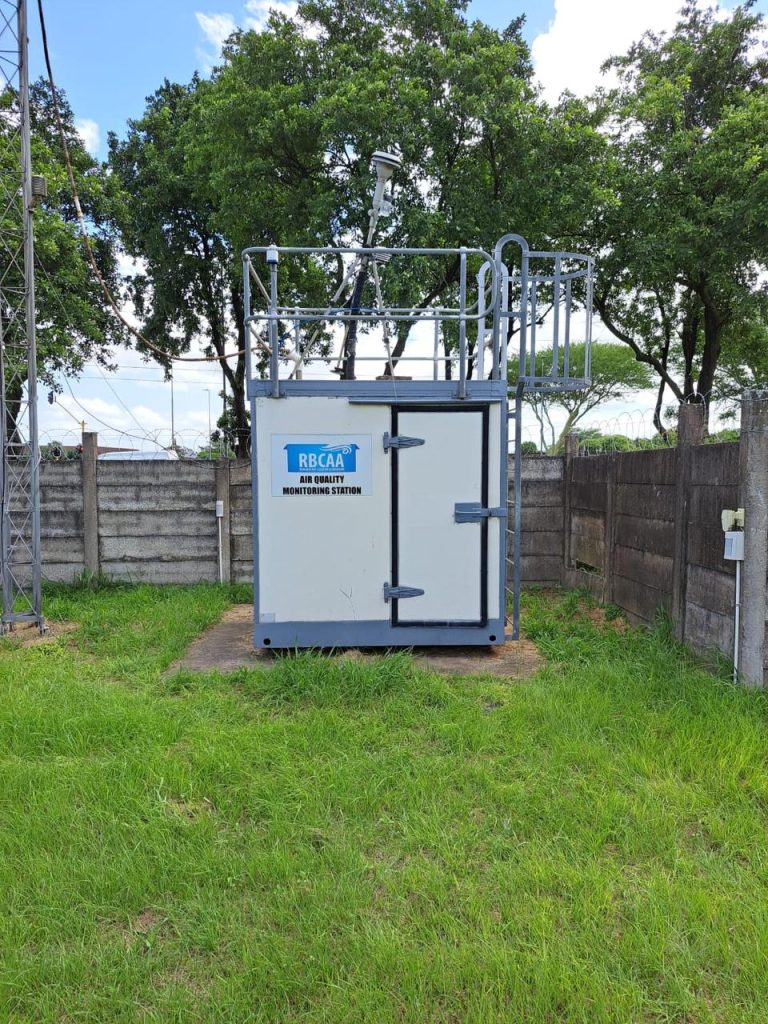
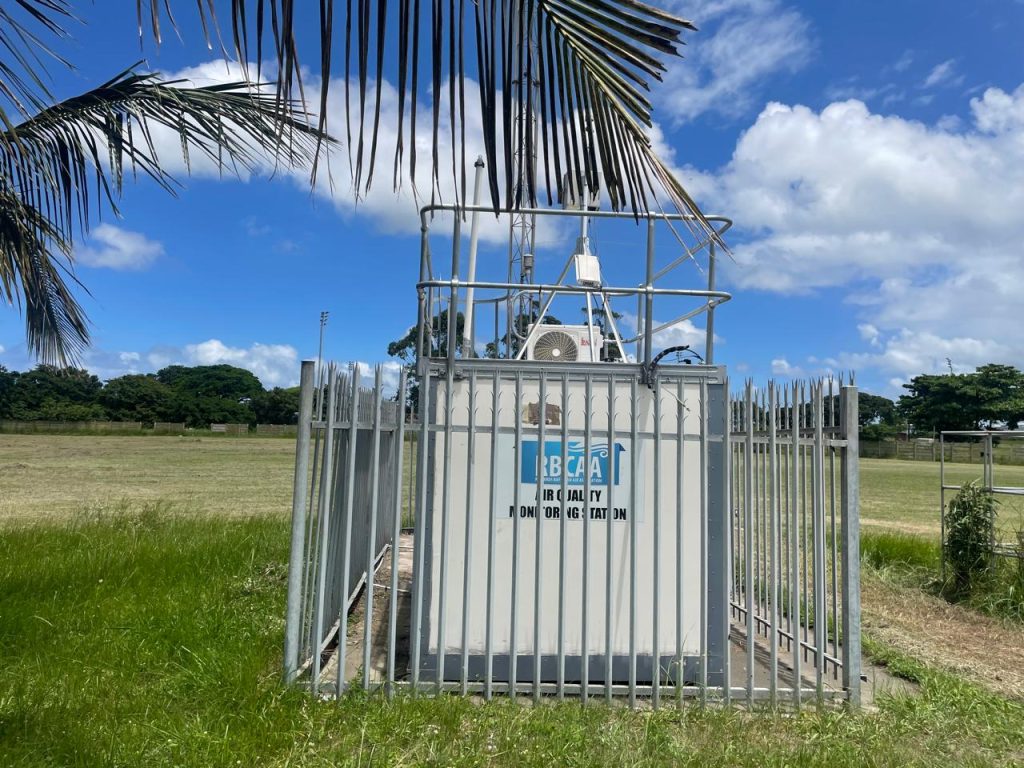
The RBCAA operates and maintains a comprehensive real-time ambient air quality monitoring network across the uMhlathuze region. Through the collection and expert interpretation of cumulative air quality data, the Association provides reliable information and technical insight to support regulatory authorities, industry, and the public.
The RBCAA facilitates a transparent public complaints and incident-reporting system, promotes environmental awareness through education and engagement, and encourages collaboration between stakeholders committed to responsible and sustainable development.
Incident reports, environmental articles and media


The importance of keeping accurate measurements to resolve complex problems has been
stressed by thinkers and innovators for centuries. Advocates of this principle have included the British physicist Lord Kelvin and the American management theorist Peter Drucker, who remarked that: “What gets measured gets managed.”

“Our losses to stock, structure and buildings may end up costing a billion rand. We will lose between one and two billion rand in revenue” – NCT GM Danny Knoesen